PicoCTF – Hash Crack

Hash Crack
Challenge Author: Nana Ama Atombo-Sackey
Category: Cryptography
Description
A company stored a secret message on a server which got breached due to the admin using weakly hashed passwords. Can you gain access to the secret stored within the server?
Additional details will be available after launching your challenge instance.
Process
- Launch the instance from the Pico CTF website.
After launching the challenge instance from the PicoCTF platform,I connected to the server using the provided “nc(netcat)” command.

Upon connecting it to the server it displayed welcome message along with that it gives a hash which is
1
 482c811da5d5b4bc6d497ffa98491e38
After copying the message I used online hash identifier tool to determine the hash type.
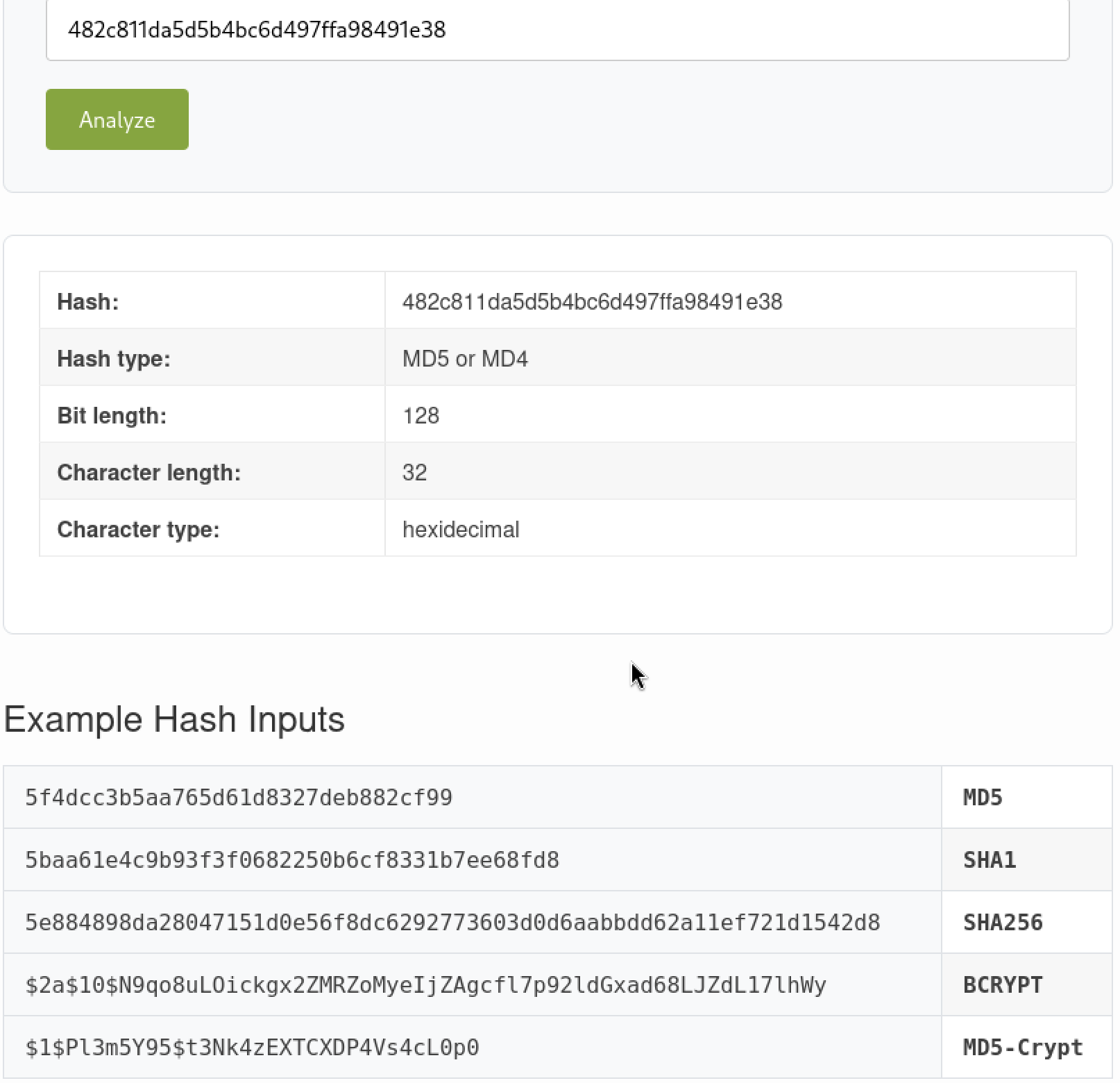
Since the hash has been identified as MD5 so by using an MD5 decoder (alternatively, tools like Hashcat could also be used), I cracked the hash and obtained the value.
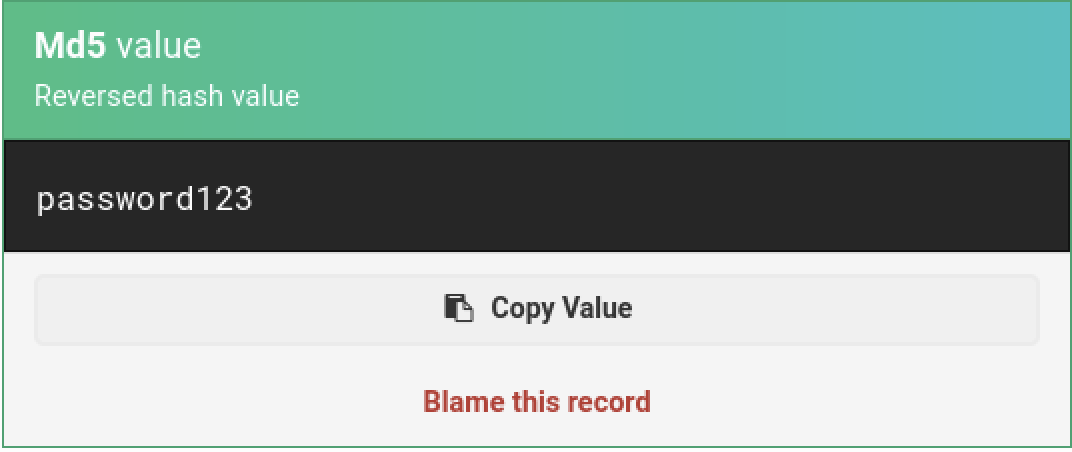
Entering this password into the server prompt granted access to the next stage.

After giving the correct response, it gave another hash which was
1
 b7a785fc1ea228b9061041b7cec4bd3c52ab3ce3
Repeating the previous steps, reveals the new decoded message.
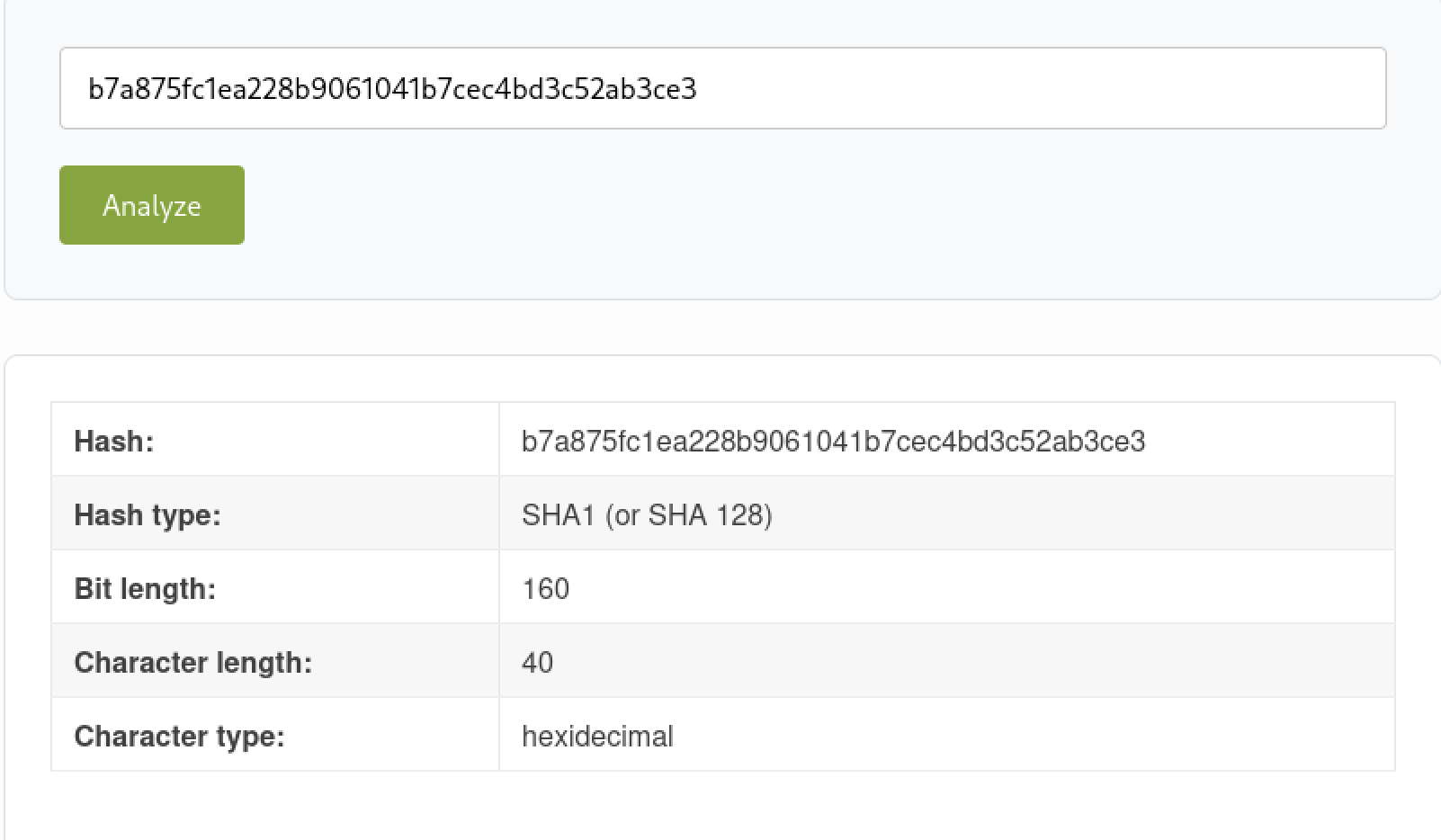
After pasting the hash value to the “hash Identifier” reveals the hash type as “SHA1”, now decoding this value reveals the actual password.
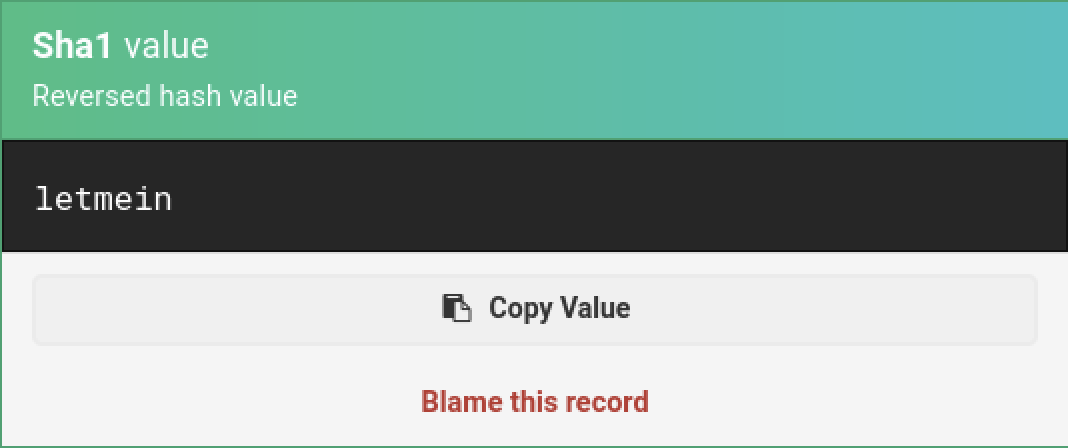
After decoding the hash value I got the result as “letmein” and giving the password to the new request from the instance.

I am almost there, now the final hash is presented which is
1
916e8c4f79b25028c9e467f1eb8eee6d6bbdff965f9928310ad30a8d88697745

The last hash was possibly identified as “SHA256” , now decoding this value gives the decoded value of the hash.
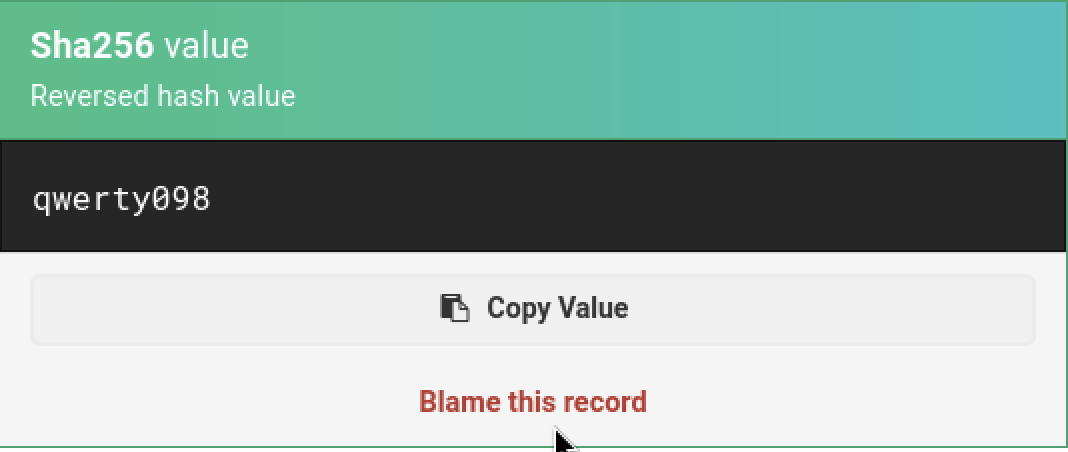
Giving this value to the instance hopefully gives the flag.

Finally the flag has been revealed
1
picoCTF{UseStr0nG_h@sheEs_&PaSswDs!_93e052d7}
Conclusion
This challenge highlights the critical importance of using strong hashing algorithms combined with salting and secure password policies. Weak or unsalted hashes such as MD5 and SHA1 are highly vulnerable to dictionary and rainbow table attacks, making them unsuitable for password storage.
Through systematic hash identification and decoding, access to the protected resource was easily obtained—demonstrating how attackers can exploit poor cryptographic practices.
Thank You
Thank you for reviewing this write-up. I appreciate the opportunity to work through this challenge and strengthen my understanding of cryptographic vulnerabilities.
Special thanks to PicoCTF and Nana Ama Atombo-Sackey for creating an engaging and educational challenge.
See you in the next write-up!